
What is the difference between one tap and two?
One tap marks ×; another single tap removes it. A quick double-tap places a koala. Two slow taps are separate single taps. Practice the timing in the playable tutorial.
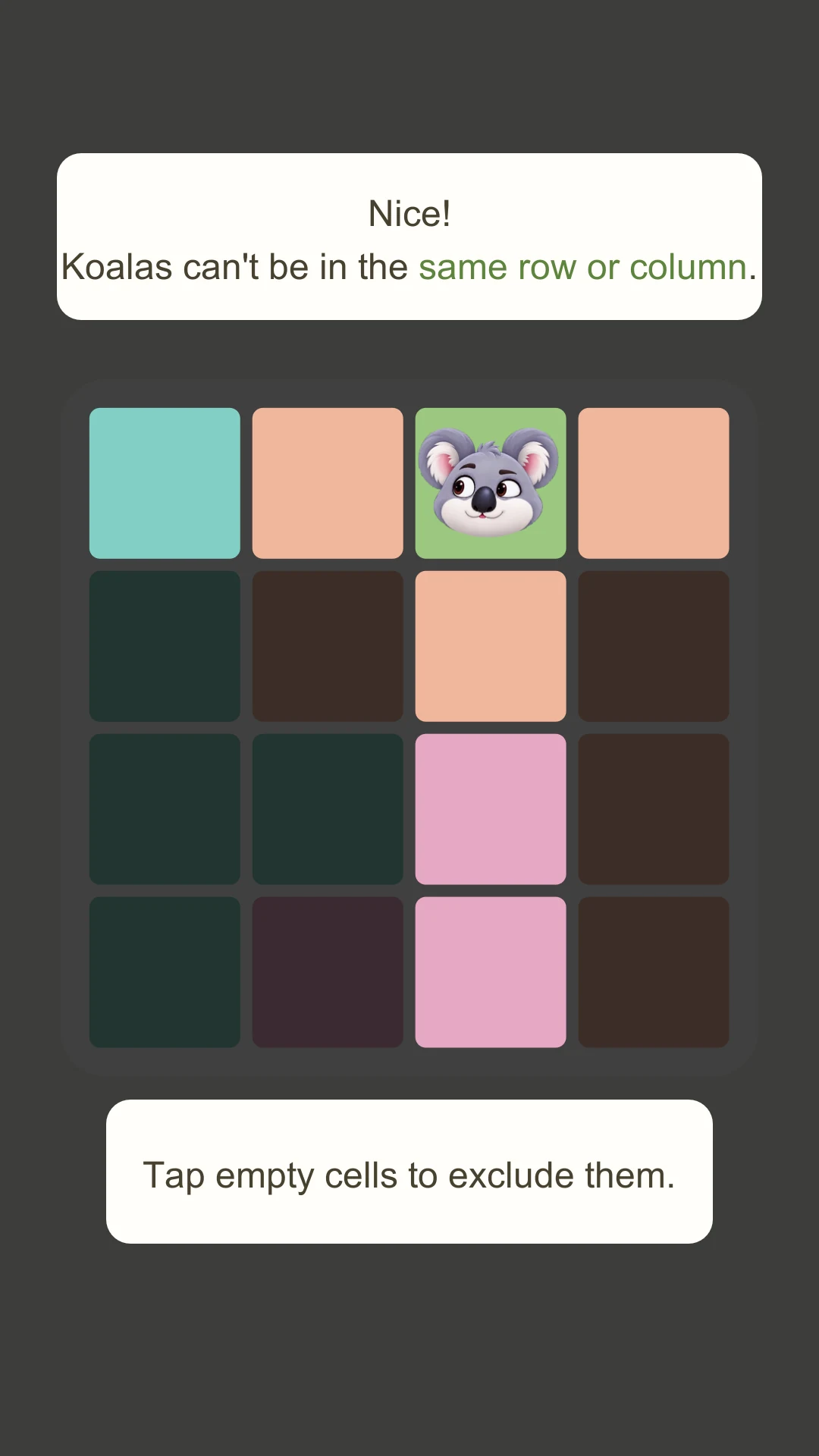
Figure 1: single-tap the six highlighted squares; the green koala is already placed.
Does × mean the game has given me an answer?
It is an exclusion mark, not another koala. You use marks to record deductions. If you mark a correct square by mistake, recheck your reasoning and remove the unsupported mark.
In this tutorial image, the green koala occupies row 1 and column 3. The highlighted squares share its row or column, giving a clear reason to exclude them.
Why is a different row and column still insufficient?
Koalas cannot touch diagonally. In the tutorial, row 3 column 1 touches the koala at row 4 column 2, even though the row and column differ.
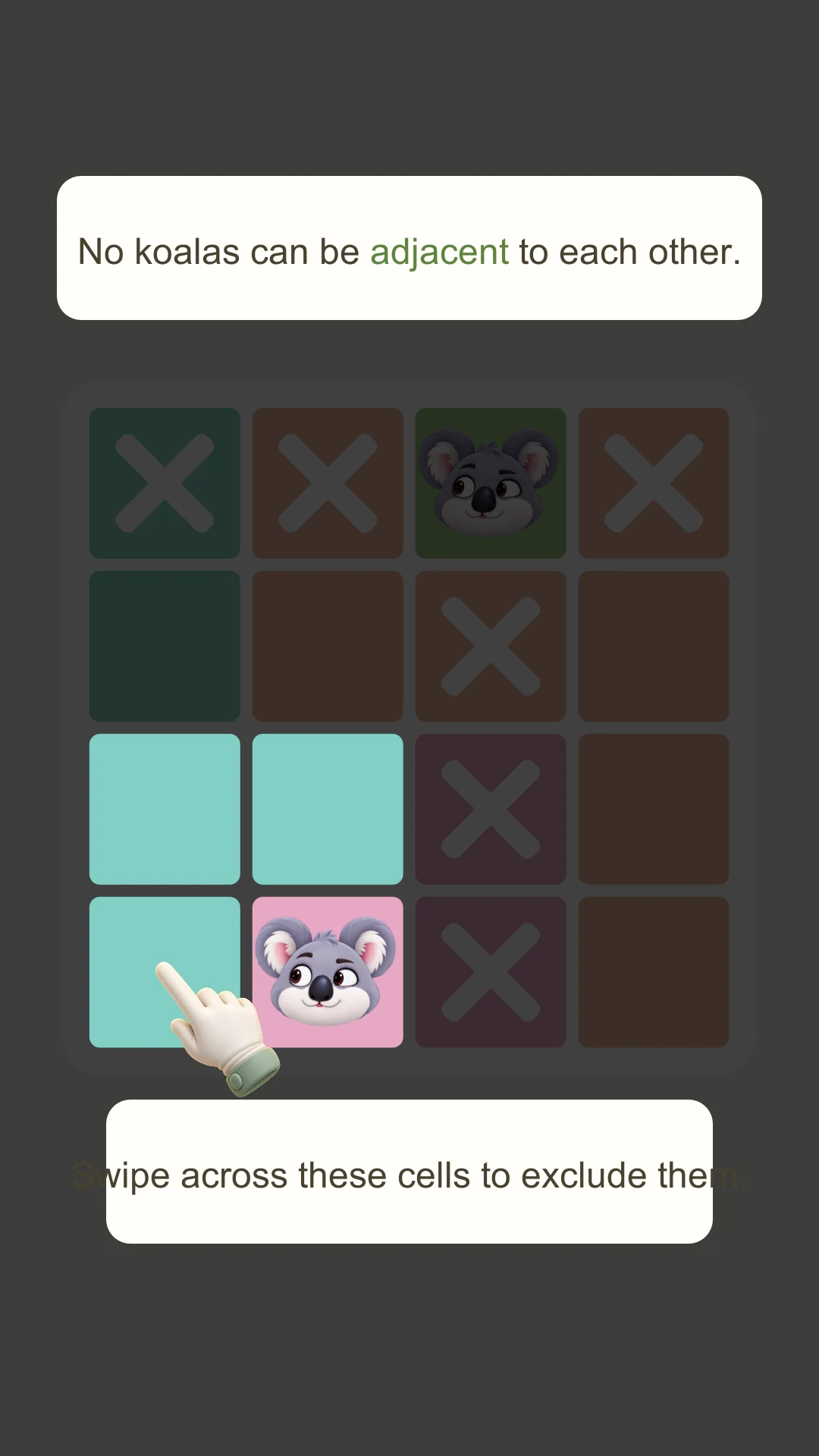
Figure 2: diagonal contact counts.
Why is a square with no conflict not yet an answer?
It is still only a candidate. Look for certainty: the only candidate of a region, row or column.
Should I guess when two candidates remain?
Look for what they share. In the 7×7 guide, row 1 has two candidates in the same region. That region must place its koala in row 1, excluding its other candidates without choosing between the pair.
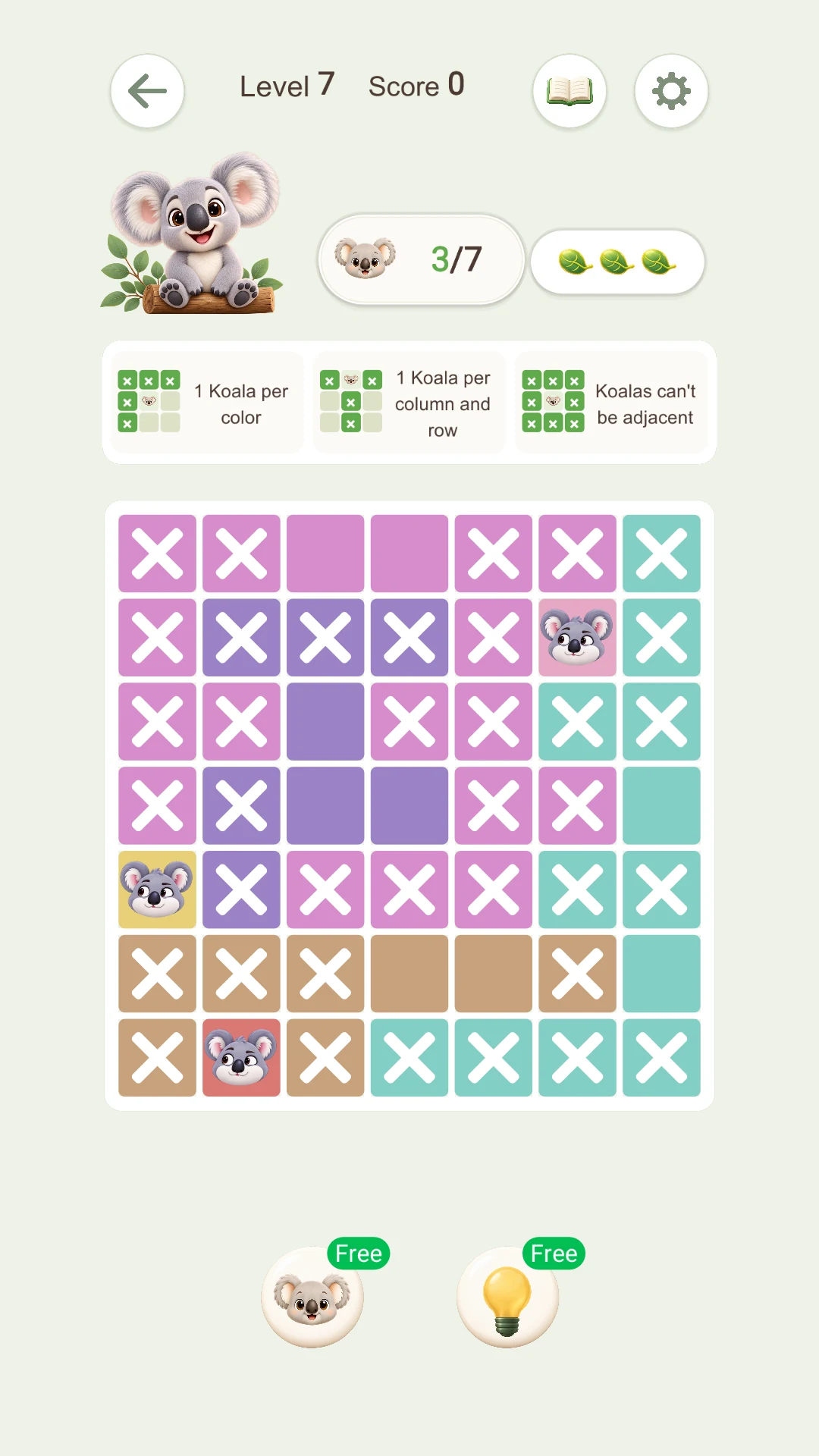
Figure 3: two candidates can still give certain information.
What should I check after every placement?
Exclude its region, row, column and neighbors, including diagonals. Recheck the remaining units for single candidates. An edge koala has fewer neighbors, but all existing ones still count.
Follow the 5×5 walkthrough to practice the complete process.