
Watch the complete walkthrough
Pause, scrub or open fullscreen to follow each deduction.
Prepare before starting
This 9×9 board requires several linked deductions. Coordinates start at 1. Review the playable tutorial and 7×7 guide first.
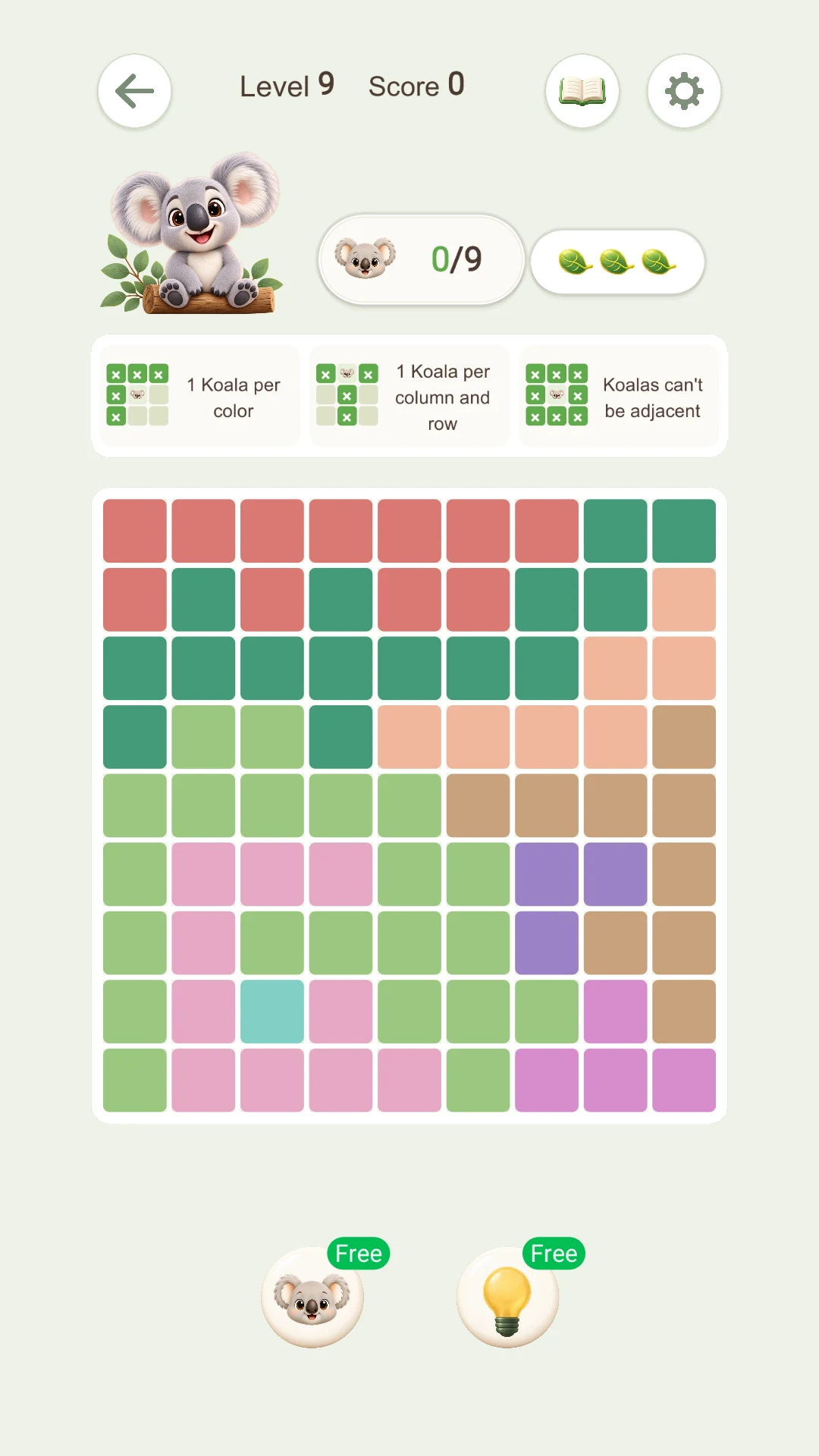
Figure 1: inspect region boundaries, especially near the bottom.
1. Place row 8, column 3
This is a single-square region. Double-tap it, then exclude row 8, column 3 and its neighbors.
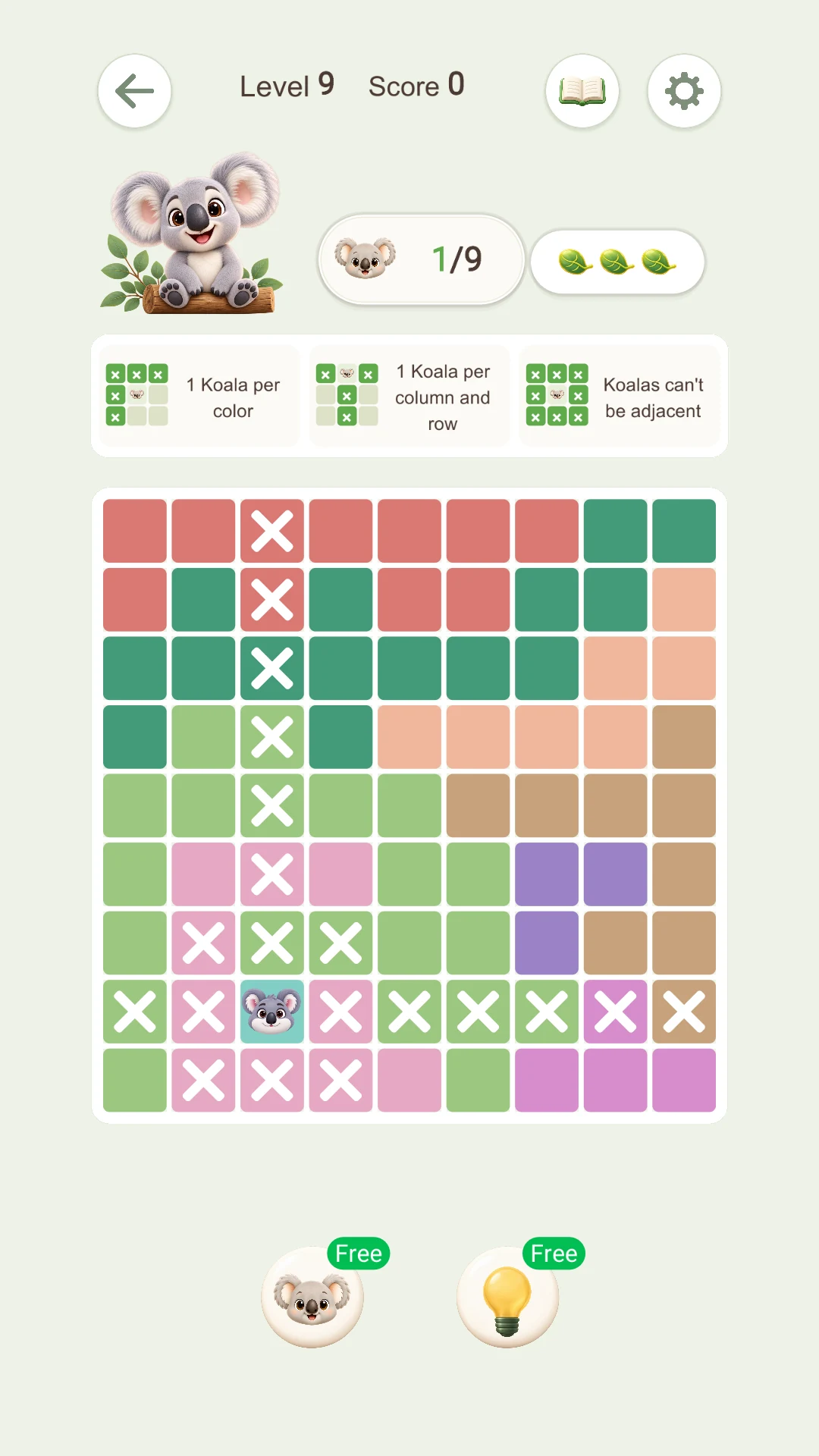
Figure 2: a second placement is not obvious yet, but there are still deductions.
2. Rule out conflicts shared by every candidate
A square is impossible if it conflicts with every remaining candidate of a required row or region. For this board:
- Exclude row 2 column 8. Row 3’s candidates are in the large region or the right-hand region. A koala in the large region conflicts by region; either right-hand candidate in row 3 columns 8/9 touches this square.
- Exclude row 4 column 9. The upper-right region’s candidates are row 2 column 9, row 3 columns 8/9, and row 4 columns 5–8. Each conflicts with this square by column, adjacency or row respectively.
- Exclude row 6 column 5. The lower-left region has candidates at row 6 columns 2/4 and row 9 column 5. The first two share row 6 with this square; the last shares column 5.
- The region at row 6 columns 7/8 and row 7 column 7 rules out row 5 column 7, row 6 column 6, and row 7 column 8. Each of those squares conflicts with all three candidates by row, column or adjacency.
No candidate is chosen arbitrarily. Check each possibility against the visible region boundaries.
3. The bottom-right region is confined to row 9
Row 8 is occupied, leaving this region only row 9 columns 7, 8 and 9. Its koala must be in row 9, so exclude the other remaining row-9 candidates in columns 1, 5 and 6.
The lower-left region loses row 9 column 5 and now has only row 6 columns 2 and 4. It must occupy row 6, excluding that row’s other candidates, including columns 7 and 8.
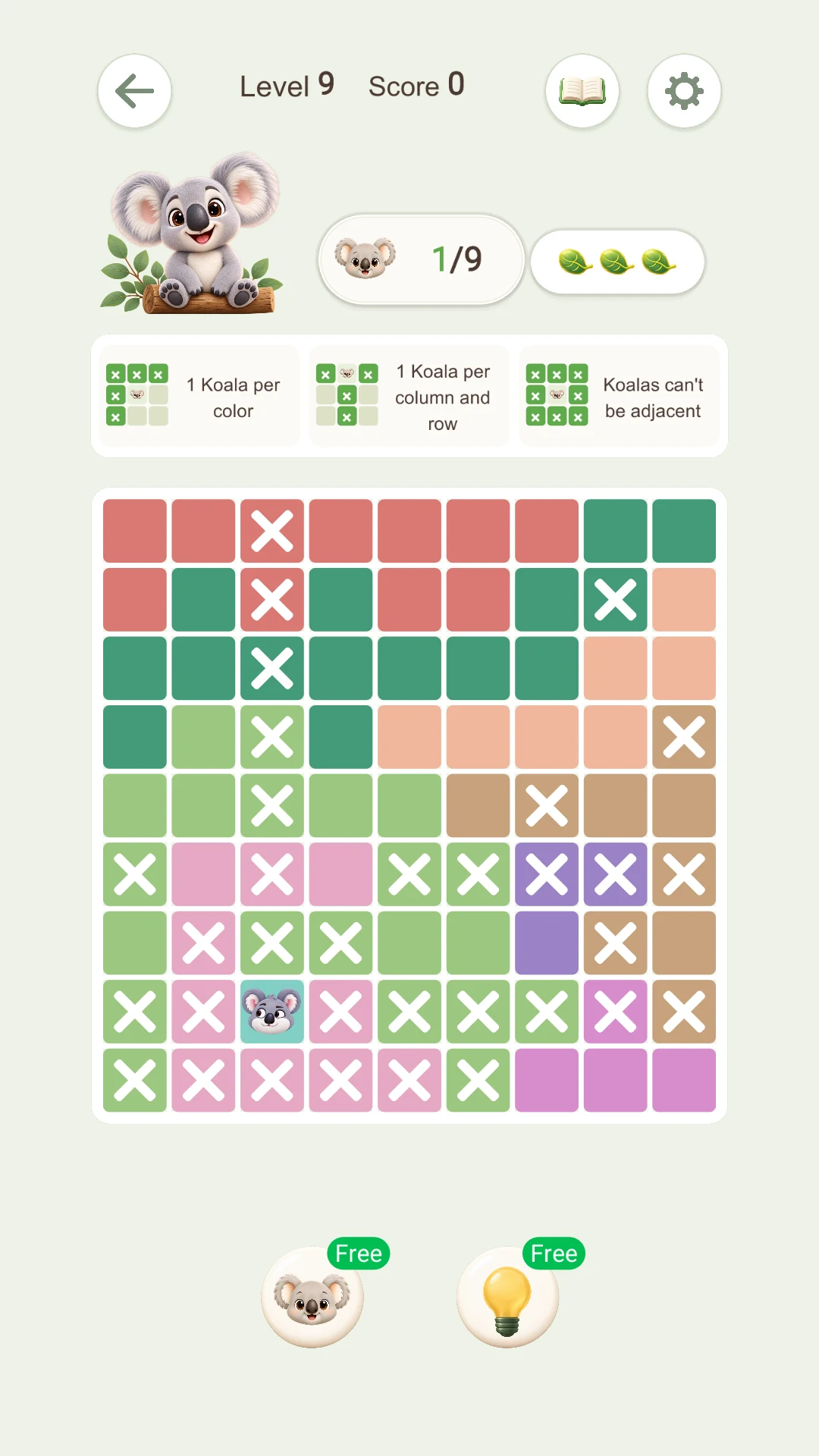
Figure 3: deductions can progress before another koala is placed.
4. Place row 7, column 7
The three-square region has lost both row-6 candidates. Only row 7 column 7 remains. Place it and exclude its row, column and neighbors.
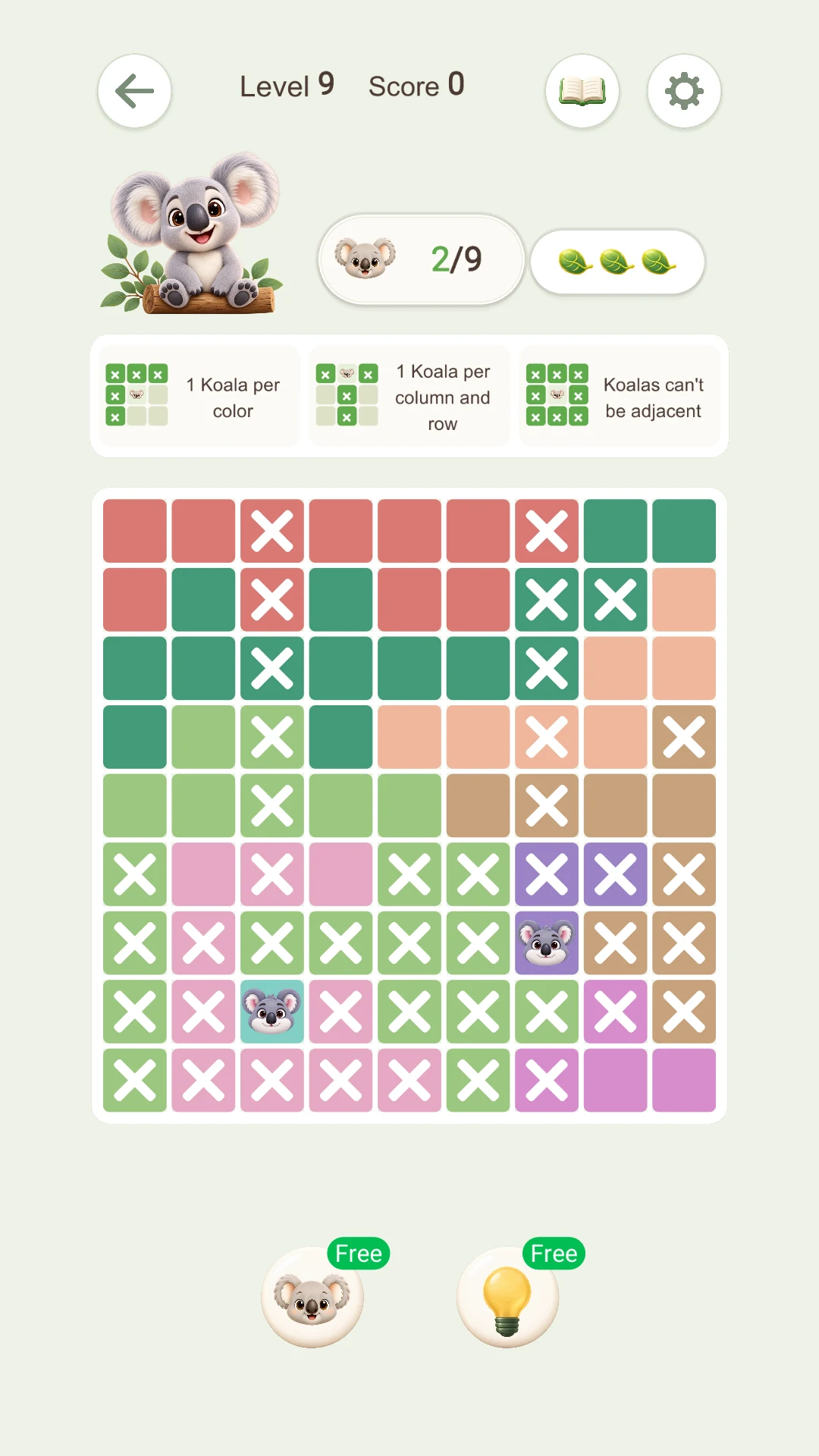
Figure 4: row confinement turns a region into a single candidate.
5. Recheck the other regions
The large right-hand region now has only row 5 columns 6/8/9 available, so its koala must occupy row 5. Exclude row 5 columns 1, 2, 4 and 5 in the other region.
That middle-left region now has only row 4 column 2. Place it. Column 2 is occupied, so the lower-left region loses row 6 column 2, leaving row 6 column 4. Place it too.
6. A column can lock a region as well
Column 1 has candidates only in rows 1 and 2, both in the same upper-left region. That region’s koala must be in column 1, so exclude its other candidates in rows 1/2 columns 5/6.
Column 5 now has just row 3 column 5. Place it and perform the usual exclusions.
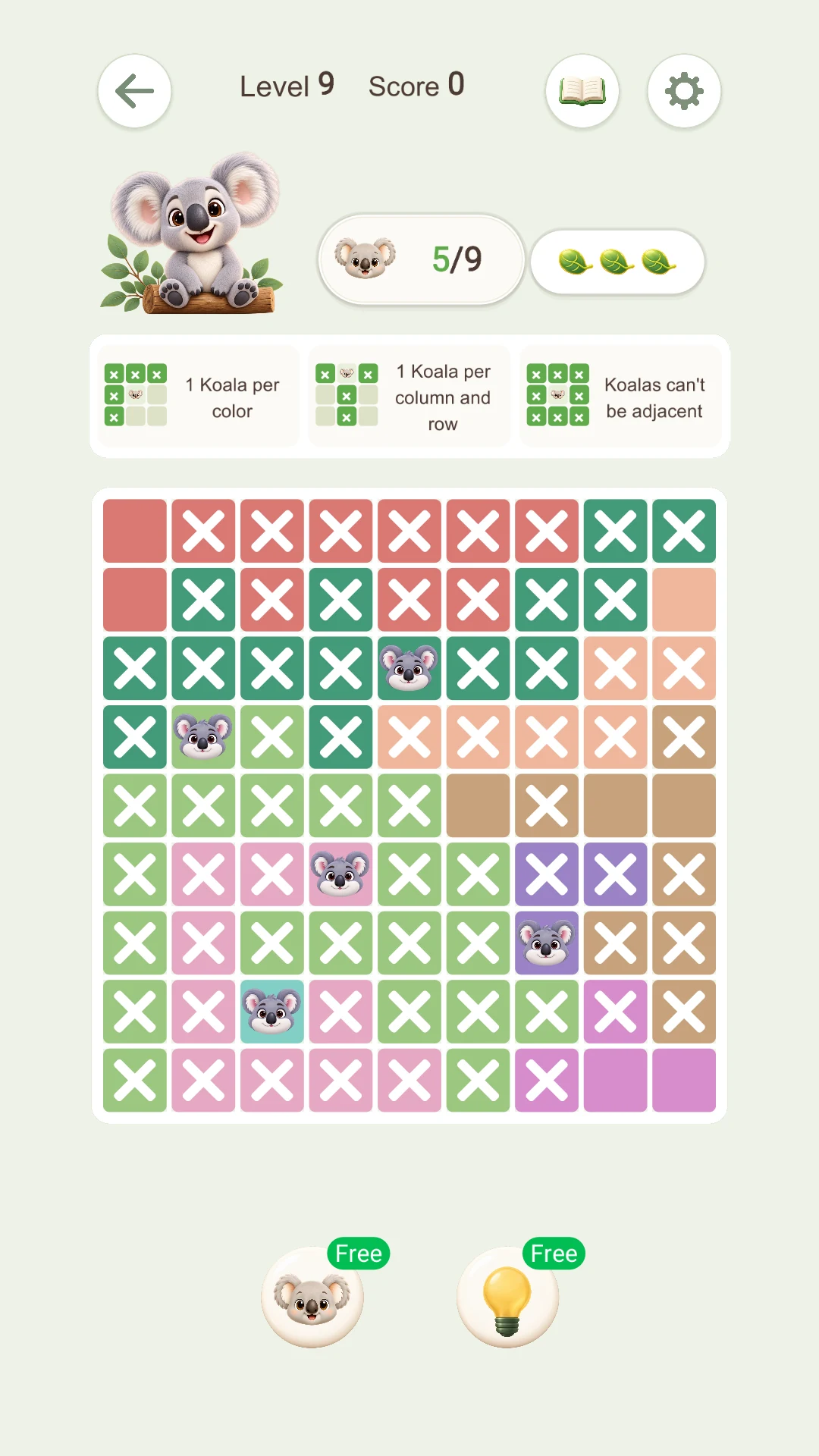
Figure 5: a column’s pair locks a region and opens a different column.
7. Finish by checking each remaining row
Row 1 has only column 1; row 2 has only column 9. Place both. Row 9 loses its column-9 candidate, leaving row 9 column 8. Finally, the unused row and column meet at row 5 column 6.
The final columns from top to bottom are 1, 9, 5, 2, 6, 4, 7, 3, 8. Use this to check your work after reasoning through the board.
The useful habit
When no region has one candidate, ask where all its candidates lie and what they all rule out. Check every possibility before marking ×. Understanding that deduction is more useful than memorizing the solution.